Above ground, London is an easy city to stay online in. Four network brands cover the capital - EE, O2, Vodafone and Three (the last two are now merging into a single network) - and your eSIM rides one of them, with dense 5G across the centre and solid 4G out to the suburbs. The interesting part of London connectivity is not the streets: it is what happens below them, and what Brexit did to your roaming.
For decades the deep Underground was a dead zone. That is genuinely changing: TfL and Boldyn Networks have been wiring stations and tunnels for 4G and 5G, and as of mid-2026 roughly 60% of the below-ground stations have coverage, with the whole network targeted for the end of 2026. The Elizabeth line was among the first fully covered; on older deep lines you will still hit quiet stretches between stations. The honest advice: treat the Tube as intermittent for now - load your route before you tap in, and expect signal at most central stations.
- Your contactless card or phone wallet is the transit ticket. No app, no paper ticket, no Oyster card required - tap the same card or phone on the Tube, buses, Elizabeth line and most commuter rail, and TfL caps your daily and weekly spend automatically. Buses are cashless, full stop.
- TfL Go (or Citymapper, the local favourite) is worth the download for live departures and line-status alerts - London runs weekend engineering closures constantly, and the app is how you find out before standing on a closed platform.
- Uber and Bolt both operate large private-hire fleets; FreeNow and Gett are the apps that book the iconic black cabs. Black cabs can also simply be hailed on the street and are required to take card payments, so they need no data at all - a rare analog fallback.
- Theatre and attractions run on e-tickets. West End shows, last-minute apps like TodayTix, and timed-entry slots at the big attractions all live on your phone, scanned straight from the screen.
From Heathrow, the Elizabeth line is the value-for-speed pick into central London, the Heathrow Express is fastest to Paddington, and the Piccadilly line is cheapest - and your contactless card covers all three, no ticket machine needed. The full arrival routine, including installing before you fly, is in the Heathrow arrival guide. Arriving by Eurostar at St Pancras drops you straight onto the covered Tube network.
If you are visiting from the EU, this is the trap: "Roam Like at Home" no longer covers the UK. Since Brexit, many EU networks have reintroduced UK roaming charges or shrunk their UK allowances, so the plan that roams free in Paris and Rome may bill you in London - check yours before assuming. How EU roaming rules really work breaks it down; a prepaid UK eSIM sidesteps the question entirely.
A London trip is transit-app heavy and maps-moderate - the city is huge, but the Tube does most of the wayfinding. For most visitors 1GB per 2-3 days covers journeys, messaging and photos; budget more if you stream on Tube rides (increasingly possible) or video-call home. Top-ups are available from your dashboard if the trip runs long.
Layers beat any single garment in London: the day that starts grey at 12C can be sunny at 20C by lunch, and rain arrives in short light bursts, so a packable waterproof jacket serves you better than umbrella-dependence. Nicer restaurants lean smart-casual (no formal dress codes, but scruffy trainers can feel out of place); West End theatres, despite the grandeur, are genuinely relaxed - jeans are fine. Comfortable waterproof-ish shoes matter more than anything else, because London days are long walking days.
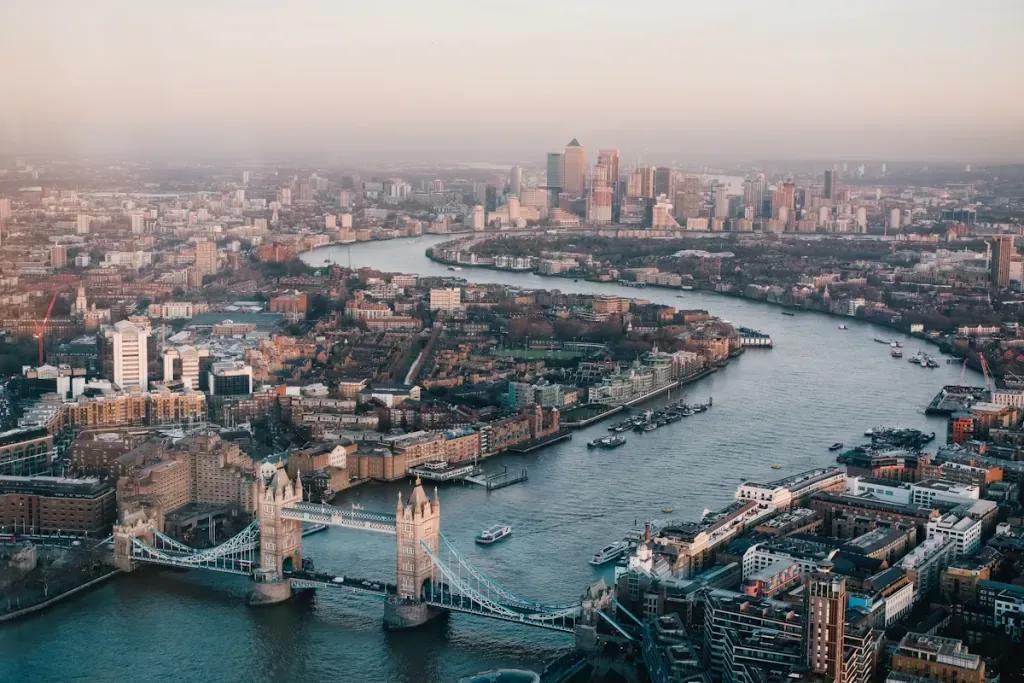
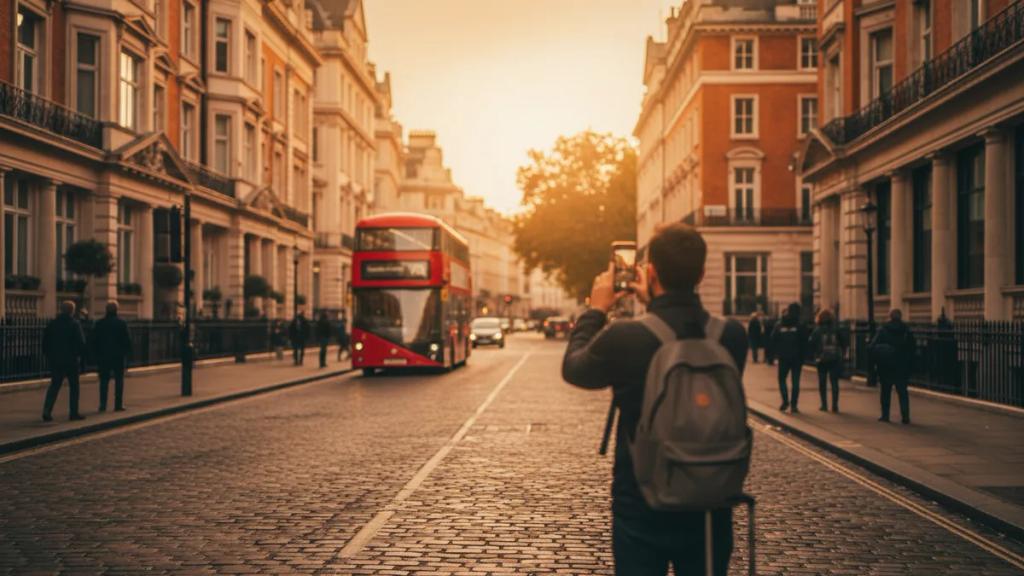
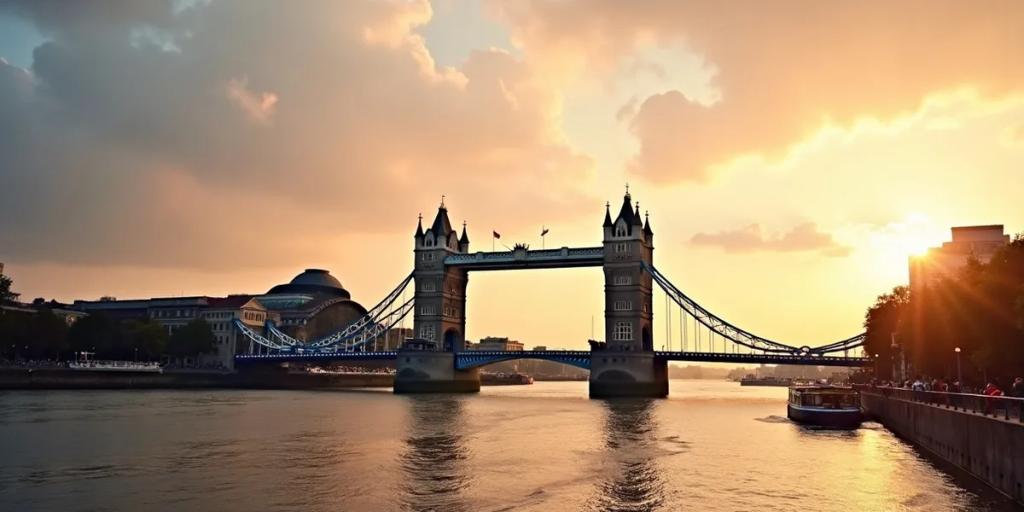
Tower Bridge is best shot from Butler's Wharf on the south bank at blue hour, when the bridge lights are on but the sky still holds colour. The red-phone-box-with-Big-Ben cliche lives at the south end of Westminster Bridge - go early, because by mid-morning there is a queue for the box. For the free skyline shot, the Sky Garden atop 20 Fenchurch Street costs nothing but requires a booked slot - tickets release weekly and go fast, and you need photo ID. In Notting Hill, the pastel doors are real people's front doors: shoot from the pavement, keep it quick, and never pose on someone's steps.
Big Ben is not the tower - it is the 13.7-tonne bell inside what is officially the Elizabeth Tower. The Tube map's genius is that it is geographically wrong: Harry Beck's 1933 diagram distorts distances for clarity, which is why some "two-stop journeys" are faster walked. And black cab drivers still pass the Knowledge, memorising some 25,000 streets over years of study - an exam so hard it measurably enlarges their hippocampus.
Notting Hill Carnival takes over west London on the August bank holiday weekend - Europe's biggest street festival, and a genuine network-congestion event for your phone. Wimbledon runs late June into mid July, and Trooping the Colour marks the monarch's official birthday with a parade in June. New Year's Eve fireworks on the Thames are ticketed (on sale from around October); without a ticket you will not get near the riverfront.
The love: the world-class museums - British Museum, Tate Modern, Natural History - are free, the theatre scene is the best in the English-speaking world, and the city is really a chain of villages, so Hampstead, Greenwich and Richmond feel nothing like Soho. The gripes are equally real: prices sting (a central pint and a modest hotel room both hurt), the Tube at rush hour is a physical crush, grey skies can settle in for weeks, and the restaurants ringing Leicester Square are the definition of a tourist trap - walk ten minutes to Soho or Chinatown instead.
Partly, and improving fast. Around 60% of below-ground stations have 4G/5G as of mid-2026, with full network coverage targeted by the end of the year. The Elizabeth line is covered end to end; on older deep lines expect gaps in tunnels between stations, so load directions before descending.
No. Any contactless bank card or phone wallet taps you through the Tube, buses and Elizabeth line at the same fares as Oyster, with automatic daily and weekly price capping. An app like TfL Go is only needed for live times and closure alerts, not for paying.
Do not count on it. The EU's Roam Like at Home rule stopped covering the UK after Brexit, and many EU operators now charge for UK roaming or cap it tightly. A data eSIM installed before you land gives you a flat prepaid price and keeps your home SIM live for calls and bank codes.