Melbourne is a flat, gridded city with towers full of antennas, and it shows: Telstra, Optus and Vodafone all deliver dense 4G and 5G across the CBD, the inner suburbs and the entire tram network, and your eSIM connects through one of them. Even the famous laneways - narrow, brick, espresso-scented - stay connected. Where Melbourne tests your signal is not in town at all. It is on the day trips.
The Great Ocean Road is the one to plan for. Torquay, Lorne and Apollo Bay themselves are covered, but the winding cliff sections in between are patchy - Optus has a known weak stretch between Lorne and Apollo Bay, and Telstra holds up best out there. Save offline maps and a playlist before leaving the city, because the most photogenic stretch is precisely where streaming gives up. The Yarra Valley wine region is gentler: towns and the bigger cellar doors are fine, with soft spots on the back roads between vineyards. In Melbourne itself, about the only stutter you may notice is a brief dip in the underground City Loop stations at busy hours.
- Trams and trains finally take your bank card. Victoria's long-promised contactless rollout arrived: you can now tap on with a credit or debit card or phone wallet on trams and trains. Buses are the holdout - they still need a myki card or Mobile myki.
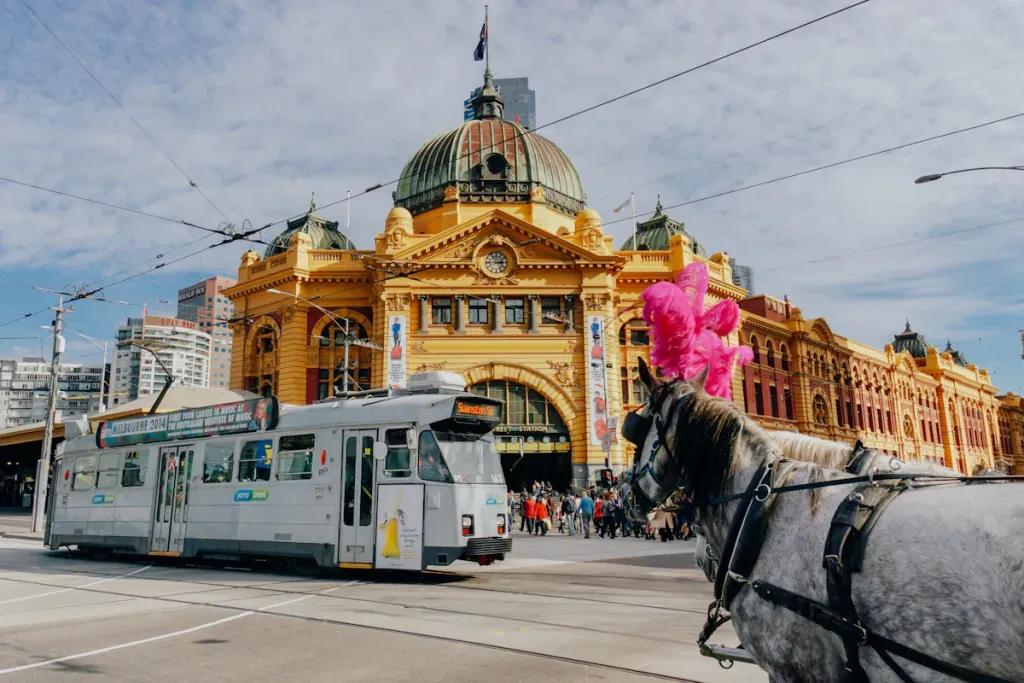
- The Free Tram Zone is real and generous: tram rides that start and end inside the CBD grid and Docklands cost nothing - Flinders Street Station, Federation Square and Queen Victoria Market are all inside it. Do not tap anything on board within the zone, or you may pay for a ride that was free.
- PTV is the journey planner locals use for live tram, train and bus times.
- Uber and DiDi both operate across Melbourne (Ola shut down its Australian service in 2024, so ignore older advice mentioning it). DiDi tends to be the cheaper of the two.
- Cafes and restaurants are booking-first: brunch institutions and laneway dinner spots fill through apps and online lists, and tap-to-pay is universal - many places barely handle cash.
Here is the thing nobody warns you about: Melbourne Airport has no train. From Tullamarine you take the SkyBus to Southern Cross Station (roughly 30-45 minutes, tickets online or at the kerb) or a rideshare from the designated pickup area. Either way, the first thing you will reach for is your phone - directions, bookings, the pickup pin - so have your eSIM installed and tested before you board rather than negotiating airport Wi-Fi after a long-haul landing.
Melbourne's data profile is cafe-shaped: you will look up more opening hours, menus and "best flat white near me" lists per day than in almost any other city. Navigation is light (the grid is merciful, trams are labelled), but photo and video uploads climb fast once Hosier Lane and the bathing boxes happen to you. A baseline of 1GB every two to three days works for maps, messaging and social; double it if you stream sport or video-call home across the time difference. For a longer itinerary, our best eSIM for Australia comparison covers the options, and it is worth confirming your handset on our compatible devices list before flying.
Layers are not a suggestion in Melbourne; they are the local religion. A sunny 30C afternoon can hand over to a cold southerly and rain within the hour, so locals dress like onions and you should too. The stereotype that Melburnians wear head-to-toe black is affectionately true - you will not overdress in dark tones. Winter football at the MCG demands a real coat, a beanie and ideally a team scarf, and the better restaurants expect smart-casual, because this is not a beach city and it knows it.
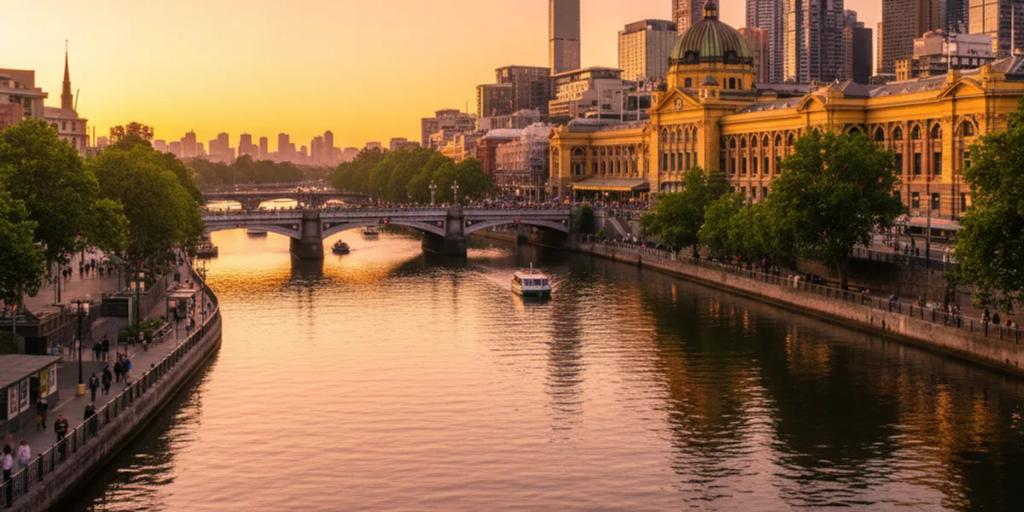
The classic is Flinders Street Station from the steps of Federation Square across the intersection - golden hour sets the yellow facade glowing, and dusk adds tram light-trails if you brace the phone against a railing. Hosier Lane's street art is repainted so relentlessly that the wall you shoot may be gone within weeks; shoot it now, it is a portrait with a shelf life. The Brighton bathing boxes at Dendy Street Beach are a short Sandringham-line ride away; the beach is free and public, though the colourful boxes are privately owned - pose beside them, not inside. At St Kilda breakwater, little penguins waddle home around sunset; viewing runs as free ticketed sessions on the rebuilt pier's boardwalk, no flash allowed. And the Twelve Apostles at sunset are worth the Great Ocean Road day trip with honest expectations: only seven stacks still stand, and the light show is real.
Melbourne spent its infancy under the magnificent name Batmania, after founder John Batman, before Governor Bourke settled on Melbourne in 1837. The MCG hosted the 1956 Olympic opening ceremony and today holds 100,024 people. Australian rules football was codified here in 1859, making it one of the world's oldest football codes. The flat white is claimed by Melbourne, Sydney and New Zealand all at once - a three-way war nobody will ever win, waged one perfect coffee at a time. And Melbourne topped the global liveability rankings for seven straight years, 2011 to 2017, and has never stopped mentioning it.
January belongs to the Australian Open, when the tennis takes over Melbourne Park and the city's evenings. The Formula 1 Australian Grand Prix roars around Albert Park in March, overlapping with the Melbourne International Comedy Festival (late March into April), consistently ranked among the world's three biggest. September peaks with the AFL Grand Final at the MCG - the Friday before it is a Victorian public holiday. And on the first Tuesday of November, the Melbourne Cup stops the nation for a horse race; in metropolitan Melbourne it is literally a public holiday.
The case for Melbourne: an extraordinarily dense food, coffee and arts scene, a sports calendar that always has something on, free trams around the centre, and a city that rewards wandering without a plan. The case against is equally honest: the weather is a genuine roulette wheel and can flatten a beach day or a Great Ocean Road drive, the CBD seems permanently mid-construction, brunch means queueing behind locals and paying accordingly, and every local will explain, unprompted, why Melbourne beats Sydney - usually while holding excellent coffee, which does undermine your counterargument.
Yes - after years of delays, contactless bank cards and phone wallets now tap directly on trams and trains, so most visitors never need to buy a myki. The exceptions: buses still require myki, and inside the CBD's Free Tram Zone you should not tap at all, because those rides cost nothing.
In the towns, yes; between them, expect gaps, especially on the Lorne to Apollo Bay stretch where Optus coverage is thin and Telstra-hosted plans fare best. Download offline maps and any media before leaving Melbourne, and treat the Twelve Apostles car park as your next reliable upload point.
No - Melbourne Airport has no rail link, so plan for the SkyBus to Southern Cross Station or a rideshare, both of which you will want data to book and track. It is the strongest argument for landing with a working eSIM instead of hunting for airport Wi-Fi with your luggage in hand.