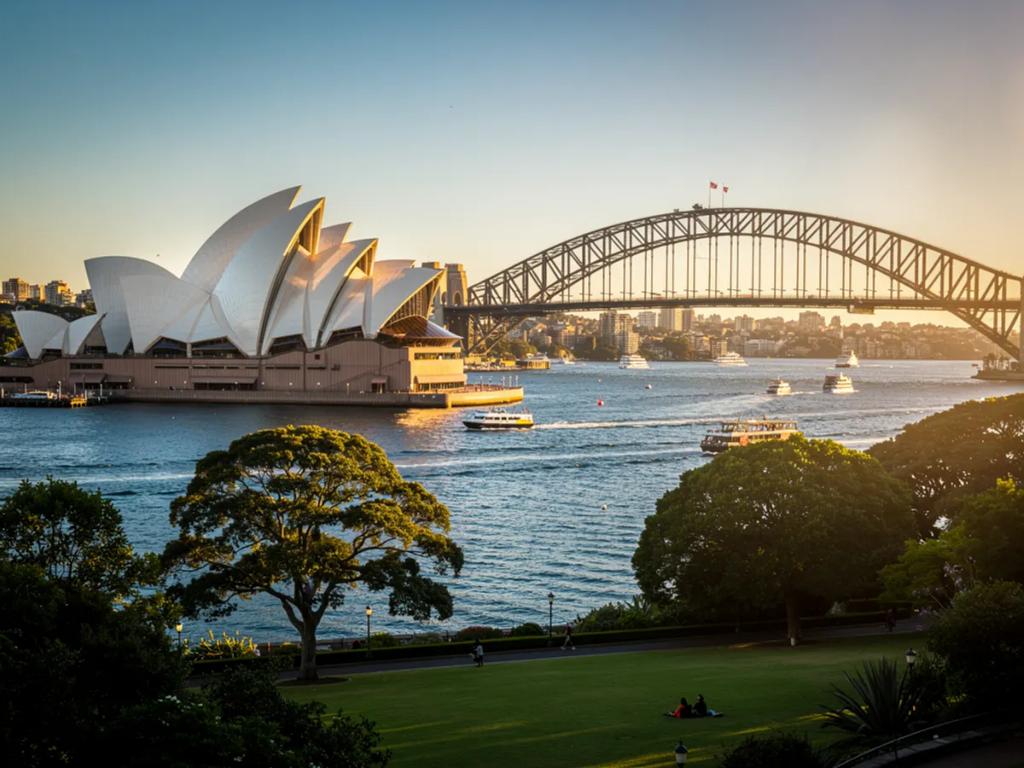
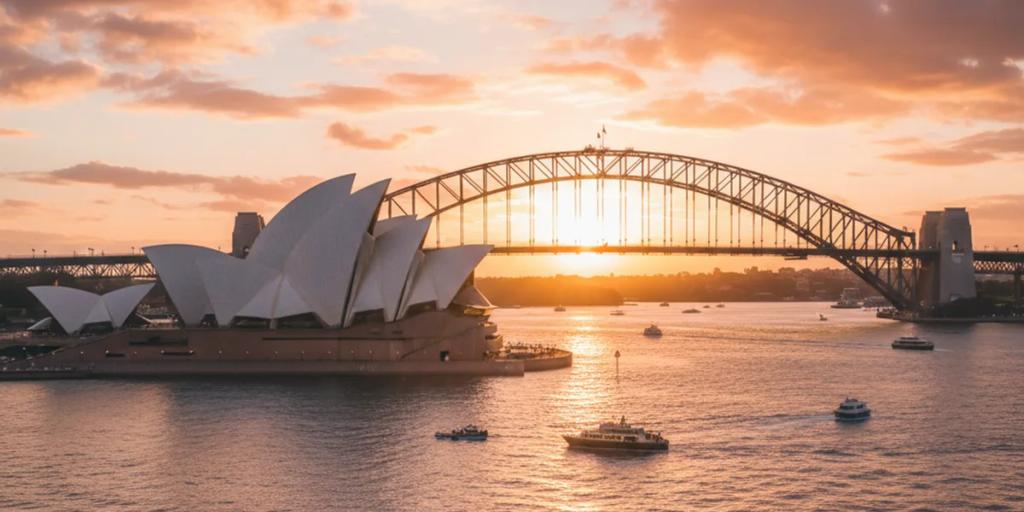
Sydney is a strong-signal city. Australia's three networks - Telstra, Optus and Vodafone - all run dense 4G and 5G across the metro area, and your eSIM connects through one of them. The harbour itself is some of the best coverage you will find anywhere: ferries have clear line of sight to towers on both shores, so the Manly ferry doubles as a floating video-call booth. The CBD, the beach suburbs from Bondi to Coogee, and the coastal walks between them are all solid.
The honest exceptions sit outside the postcard. The Blue Mountains day trip is the big one: Katoomba township and the Three Sisters lookouts are fine, but drop onto the valley trails past Katoomba and you will hit real dead zones - download offline maps before the train leaves Central, not at the trailhead. Underground, the newer Sydney Metro stations and tunnels carry mobile coverage well, while the older double-deck train tunnels can stutter between city stations - nothing a pre-loaded route does not solve.
One more thing that surprises travellers with older handsets: Australia completed its 3G shutdown in 2024, and the rules go further than most countries - phones that cannot make emergency calls over 4G (VoLTE) are blocked from the networks entirely, even for data. If your phone is more than a few years old or was bought outside Australia, check it against our eSIM compatible devices list before you fly, because in Sydney a non-VoLTE phone does not degrade gracefully - it simply stops working.
- You do not need an Opal card: Sydney's trains, ferries, buses, light rail and metro all take contactless bank cards and phone wallets directly at the gate, with the same fares and daily caps as Opal. Your bank may add a foreign transaction fee (charged once per day, not per tap), so heavy users sometimes still grab a physical Opal card.
- TripView or the Transport NSW app for live departures - Sydney's network is big and the real-time data is excellent, but it is only useful if you are online at the stop.
- Beachsafe (from Surf Life Saving Australia) shows which beaches are patrolled and open before you commit to the bus ride - rips close beaches here more often than visitors expect.
- Uber and DiDi both operate across Sydney; DiDi often undercuts on price, Uber has more drivers in the outer suburbs. Airport pickups use designated rideshare zones at both terminals.
The Airport Line train reaches Central in about 13 minutes and takes the same tap-on contactless cards - a station access fee makes it pricier than a normal train ride, but it still beats the motorway at rush hour. The ride into town is exactly when your accommodation directions, the "just landed" messages and the first Opal-fare tap all want data, which is why installing your eSIM before departure is the move - it is a long flight to arrive disconnected from.
Sydney is more photo-heavy than map-heavy: the grid is legible, English removes the translation load, but the harbour will pull far more camera time than you plan for. Around 1GB per 2-3 days covers maps, messages and social posting; budget more if you upload video from the ferry or video-call home across the time-zone gap (evening in Sydney is morning in Europe, which makes call-heavy trips common). If you are comparing plans for a longer Australian itinerary, our best eSIM for Australia guide breaks down the options.
Treat sunscreen as clothing: summer UV in Sydney regularly hits extreme levels, and unprotected skin can genuinely burn in around 15 minutes - locals reapply, hat up, and check the UV index the way other cities check rain. Otherwise the dress code is relaxed: thongs (that means flip-flops here) rule the beach suburbs, while inner-city restaurants expect smart-casual. Always carry a layer: a "southerly buster" wind change can drop the temperature 10C in minutes, even after a 35C day.
The Opera House with the Bridge behind it is best from Mrs Macquarie's Chair at sunrise, when the light hits the sails and the joggers have not yet become photobombers. For the Bridge itself, shoot from Kirribilli on the north shore, or ride the bow of a Manly ferry and let the wake lead the frame. The Bondi Icebergs pool shot works from the coastal path above it - respect the swimmers, they are doing laps, not posing. Wedding Cake Rock is fenced off because the rock is genuinely unstable; rangers fine people who jump the barrier, so take the (still spectacular) shot from behind it. Drones fall under CASA rules - no flying near the airport flight paths or over crowds, which rules out most of the famous spots.
The Opera House sails are covered in more than a million self-cleaning ceramic tiles from Sweden - rain does the washing. Locals call the Harbour Bridge the Coathanger, and climbing its arch is a (paid, harnessed) tourist attraction. And the reassuring-scary one: nobody has died from a Sydney funnel-web spider bite since antivenom arrived in 1981. Bondi's name is usually traced to an Aboriginal word meaning "water breaking over rocks", which is exactly what it does.
New Year's Eve fireworks over the harbour are the city's signature night - the good free vantage points fill by afternoon and the paid ones book out months ahead. Vivid Sydney lights up the harbour foreshore from late May to mid June. The Sydney to Hobart yacht race starts on the harbour every 26 December, Mardi Gras takes over Oxford Street in late February or early March, and the City2Surf run finishes at Bondi each August.
The love: a working city wrapped around a genuinely beautiful harbour, surf beaches 30 minutes from the CBD, and a coffee culture that treats a bad flat white as a moral failing. The gripes are just as real: Sydney is eye-wateringly expensive, the distances defeat anyone expecting a walkable-everywhere city (it sprawls, and the beach you want is rarely near your hotel), summer humidity plus extreme UV limits the middle of the day, and the housing-cost conversation is the local small talk you cannot opt out of.
Recent phones, yes - all three networks run 4G and 5G everywhere tourists go. But Australia blocks handsets that cannot make emergency calls over 4G, so an older or imported phone without VoLTE support will not connect at all. Check your model before flying; it is a hard cutoff, not a slow one.
Yes - contactless Visa, Mastercard and Amex (or your phone wallet) tap directly on every mode, with the same fares and daily caps as an Opal card. The only catch is a possible foreign transaction fee from your own bank, charged once per travel day.
Almost always - the harbour and the Bondi to Coogee path have strong coverage because they face the city's towers. The place to prepare for is the Blue Mountains: valley trails past Katoomba have real dead zones, so download offline maps before leaving Sydney.